
Airbus has issued a major recall for A320 aircraft following reports of flight-control issues and solar flare vulnerabilities, raising urgent safety concerns. The directive requires immediate software modifications across thousands of planes, as airlines scramble to address potential risks mid-flight.
The A320, one of the world’s most widely used jetliners, now faces scrutiny over its control systems amid recent incidents. While the model has maintained a strong safety record, the new findings highlight unexpected challenges in both human and environmental factors.
Authorities are urging operators to comply with updates promptly, though Airbus assures the fleet remains airworthy with corrective measures. Passengers are advised to check for flight adjustments as carriers implement fixes.
- Airbus has issued a major recall for A320 aircraft following critical flight-control incidents, requiring immediate modifications to thousands of units globally.
- Software vulnerabilities to solar flares have been identified in A320 systems, prompting airlines to take emergency actions to mitigate potential inflight risks.
- The A320 family, including the A321neo and A321XLR, remains a leader in single-aisle aircraft despite recent safety concerns, with over 12,257 units delivered as of September 2025.
Is Airbus A320 safe to fly now? Latest recall explained
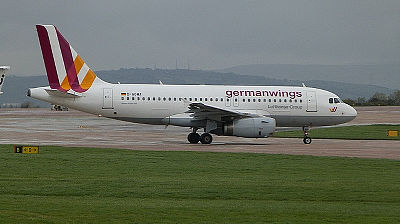
Airbus has issued a major recall affecting thousands of A320 aircraft following recent flight-control incidents. The European aircraft manufacturer confirmed that specific flight control software needs immediate modification across its A320 fleet after unexpected behavior was observed during several flights. This comes amidst growing concerns about solar flare interference with aircraft systems.
The A320 family remains one of the most widely used short-to-medium range aircraft globally, with over 8,600 units delivered since its introduction in 1988. Historically, the A320 maintains an excellent safety record with just 10 fatal accidents in over 80 million flights (0.000013% accident rate), significantly better than comparable Boeing 737 models (0.000042%).
What triggered the A320 recall?
Investigators found multiple instances where the flight control computers processed conflicting sensor data, including angle-of-attack information, leading to temporary loss of flight envelope protections. In several cases, this caused unintended nose-down movements similar to the 2008 XL Germany Flight 888T crash and Qantas Flight 72 incidents, though fortunately without catastrophic consequences this time.
Solar flare risk to A320: Should passengers worry?
New research reveals that certain A320 flight control systems may be vulnerable to solar flare interference, potentially affecting sensor readings and autopilot behavior during periods of intense solar activity. Airlines are being instructed to implement protective software updates immediately.
While commercial aircraft routinely experience some radiation at high altitudes, extreme solar storms could theoretically disrupt avionics. Airbus maintains this is an extremely low-probability event and that multiple redundancies exist in their systems. Historically, no commercial flights have been lost due to solar activity.
How airlines are responding
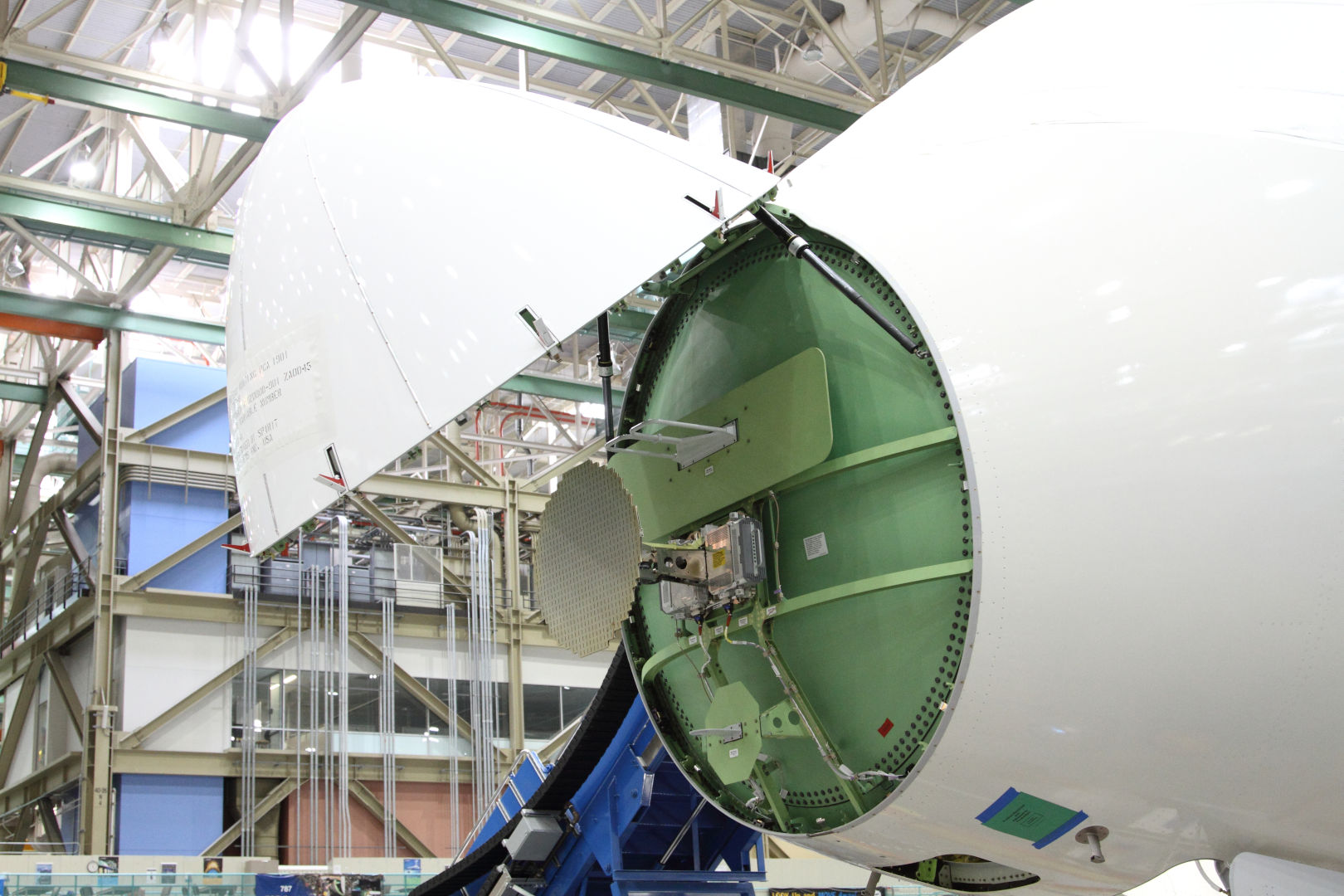
Major carriers operating A320s are implementing staggered maintenance schedules to apply the required modifications without significant flight disruptions. Airlines have been given until early 2026 to complete all updates. Temporary operational limitations are being placed on unaffected aircraft until modifications are complete.
| Date | Event | Resolution |
|---|---|---|
| Nov 2025 | Flight control anomaly reports increase | Preliminary investigations begin |
| Dec 2025 | Solar flare vulnerability identified | Software patch development |
| Jan 2026 | Recall notice issued | Airlines begin modifications |
Difference between A320 and Boeing 737 safety
When comparing similar-aged aircraft, the A320 has maintained a better safety record than Boeing’s 737 series. The Airbus fly-by-wire system includes more automated protections against dangerous flight conditions. However, both aircraft families are considered extremely safe by aviation standards.
Can A320 survive extreme turbulence?

Modern commercial aircraft like the A320 are designed to withstand forces far exceeding anything encountered in normal operations, including extreme turbulence. The airframe can tolerate loads up to 4.5G in maneuvers, while certification requires survival of +2.5G to -1G in cruise configuration.
While turbulence remains uncomfortable for passengers, it rarely poses structural risks. The recent recall relates to flight control logic under unusual circumstances, not structural integrity issues.
Key structural strengths of A320
- Wings designed to flex significantly without damage
- Multiple redundant load paths in critical structure
- Composite materials in key areas for damage tolerance
- Lightning protection throughout airframe
What happens if lightning hits an A320?
Commercial aircraft like the A320 typically get struck by lightning once or twice per year with no ill effects. The metal fuselage acts as a Faraday cage, protecting interior systems. Modern composite structures incorporate conductive layers to safely conduct lightning currents around the aircraft.
However, extreme electrical events could theoretically interfere with flight control sensors, one reason behind the current software modifications. The A320’s multiple redundancy systems are designed to maintain control even with temporary sensor anomalies.

Pilot procedures changed after A320 incidents
Airlines operating A320s have implemented revised pilot procedures while awaiting software updates. These changes emphasize:
- Enhanced cross-checking of flight instrument readings
- Modified responses to conflicting air data indications
- Additional training for manual flight without envelope protections
- Stricter weather avoidance policies during solar storm warnings
These interim measures provide additional safety margins until all aircraft receive permanent software fixes. Aviation authorities emphasize that the A320 remains safe to fly with these enhanced procedures in place.
How long will A320 modifications take?
Airbus estimates the required modifications take approximately 24-36 hours per aircraft. Major airlines expect to complete their entire fleets within 3-6 months. The modifications involve:
| Step | Duration | Description |
|---|---|---|
| Software update | 4-6 hours | Flight control computer reprogramming |
| Sensor checks | 8 hours | Comprehensive system testing |
| Test flight | 2 hours | Verification of corrections |
| Documentation | 2 hours | Maintenance record updates |
Some airlines are performing these modifications sequentially during regularly scheduled maintenance to minimize operational impact.
Great, another Airbus recall. At this point, I’d rather take a bus. How many more ‘immediate modifications’ before they admit there’s a fundamental design flaw? 🚌
Buses don’t fly at 35,000 feet, genius. Maybe focus on the fact that they’re actually fixing issues proactively?
Name one aircraft without recalls. Even your precious 737 MAX had way bigger problems. Hypocrisy much?
Honestly, the solar flare risk is being blown out of proportion. A320s have flown millions of hours safely. Media loves fearmongering. ✈️
Pilots here: the flight-control ‘issue’ is overhyped. We train for worse. But the solar flare patch should’ve been deployed years ago. Shocking oversight.
Exactly! Everyone freaking out clearly hasn’t seen how redundancy works in these systems. But yeah, the flare thing is embarrassing.
Airbus fanboys defending this like it’s no big deal. Imagine if Boeing had this many recalls. The internet would melt down. 🔥
Can we talk about how airlines will probably use this as an excuse to delay flights and blame ‘maintenance’? Sneaky bastards.