.jpg?w=3800&h=2000&ssl=1 "Nick Mangold death cause and kidney transplant timeline: How did the Jets legend pass away at 41?")
Nick Mangold, the former New York Jets star center and two-time All-Pro, has tragically passed away at the age of 41 due to complications from kidney disease. The Jets legend had been publicly seeking a kidney donor after revealing his battle with chronic kidney failure earlier this month.
Mangold, who spent his entire 11-year NFL career with the Jets, was undergoing dialysis while awaiting a transplant. His sudden passing has sent shockwaves through the football community, leaving fans and former teammates mourning the loss of one of the franchise’s most beloved players.
The Ohio State alum had been diagnosed with a genetic kidney defect in 2006, which ultimately led to his health struggles. Despite his courageous fight, Mangold’s condition deteriorated rapidly in recent weeks.
- Former New York Jets center Nick Mangold has passed away at age 41 due to complications from chronic kidney disease.
- Mangold had publicly sought a kidney donor earlier this month, revealing he was undergoing dialysis after being diagnosed with a genetic defect in 2006.
- The Jets legend, a 7-time Pro Bowler and 2-time All-Pro, played all 11 NFL seasons with New York and was widely beloved by fans.
Nick Mangold Death Cause and Kidney Transplant Timeline: How Did the Jets Legend Pass Away at 41?
.jpg?w=3800&h=2000)
What genetic disease caused Nick Mangold’s kidney failure?
Nick Mangold revealed in October 2025 that a genetic defect diagnosed in 2006 led to his chronic kidney disease. While the specific condition wasn’t disclosed, such cases often involve polycystic kidney disease or Alport syndrome – hereditary disorders that gradually impair kidney function. The former Jets center had been managing the condition for nearly two decades before his health rapidly declined in summer 2025, requiring dialysis and ultimately a transplant.


Why couldn’t family members donate a kidney to Nick Mangold?
Mangold’s public appeal for a type O blood donor suggested his family members weren’t compatible matches. Kidney transplants require:
- Blood type compatibility
- Tissue match (HLA antigens)
- Negative crossmatch (no antibodies against donor)
Given the genetic nature of his condition, relatives may have carried the same mutation or simply not met the stringent medical criteria. The wait for a deceased donor kidney averages 3-5 years, creating urgent need for living donors.
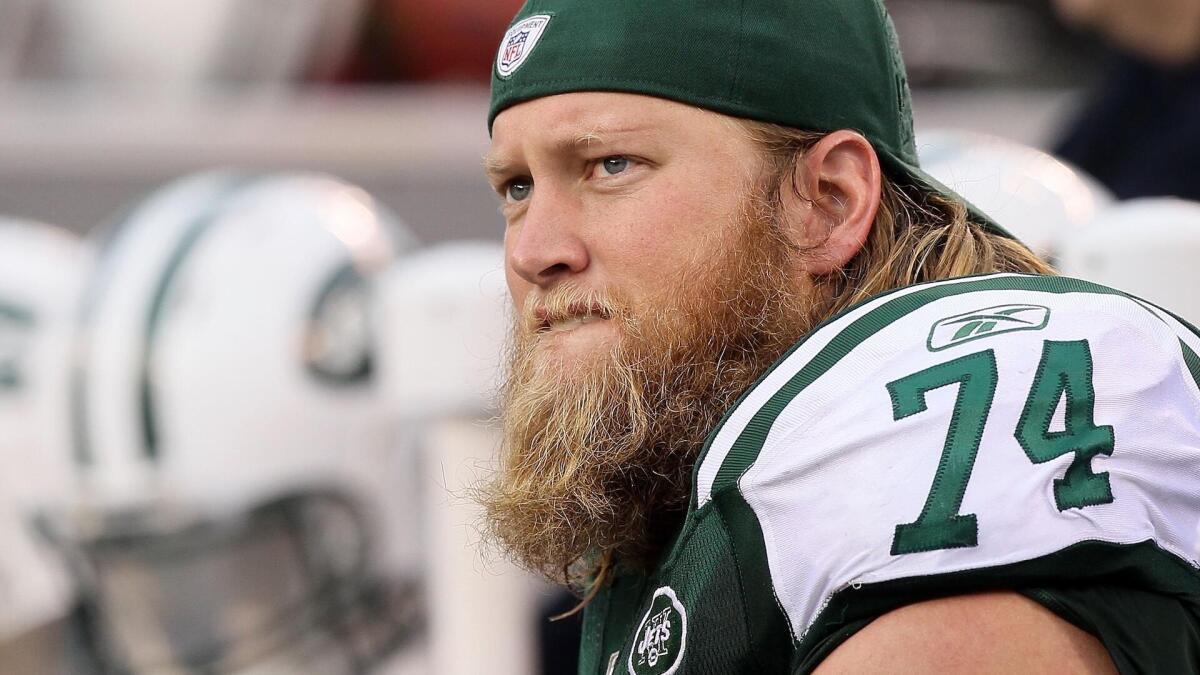
How common is kidney disease among NFL players?
The NFL has seen several cases of kidney failure, often attributed to:
| Player | Condition | Outcome |
|---|---|---|
| Nick Mangold | Genetic kidney disease | Passed away 2025 |
| Kris Dielman | Kidney damage from painkillers | Successfully transplanted |
What were Nick Mangold’s final days like?
After going public with his need for a transplant on October 14, Mangold remained active on social media, thanking supporters. Reports indicate his condition deteriorated rapidly in late October from complications possibly including:
- Sepsis from dialysis access infections
- Cardiac events common in end-stage renal disease
- Electrolyte imbalances
The athletic build that served him during 11 NFL seasons may have worked against him – muscular individuals often struggle with dialysis adequacy.

How many NFL players have died from kidney disease?
While rare, several NFL players have faced kidney-related deaths:
- Reggie White (sleep apnea complication)
- Thomas Herrion (kidney failure post-game)
- Several former players in renal failure from painkiller abuse
Mangold’s case stands out as one of the youngest high-profile kidney disease fatalities at just 41. The sports world typically sees more cardiac or neurological causes of death.
Could better screening have saved Mangold?
:max_bytes(150000):strip_icc():focal(707x326:709x328)/Nick-Mangold-101425-8ec50a9548e943f4a0ee0b996e59d040.jpg)
What’s Nick Mangold’s legacy beyond football?
The seven-time Pro Bowler’s final act – publicly seeking a donor – may save countless lives by:
- Increasing kidney disease awareness
- Demonstrating athletes’ vulnerability to “silent” conditions
- Inspiring organ donor registrations
New York Jets owner Woody Johnson praised Mangold’s courage in using his platform to help others facing similar battles.
Are former Jets teammates planning memorial tributes?
While official plans haven’t been announced, several teammates shared emotional tributes suggesting:
- Potential retired number consideration
- Fundraisers for kidney research
- Annual health screenings in Mangold’s name
The Jets organization has reportedly begun discussions with Mangold’s family about appropriate honors for one of their most decorated players.
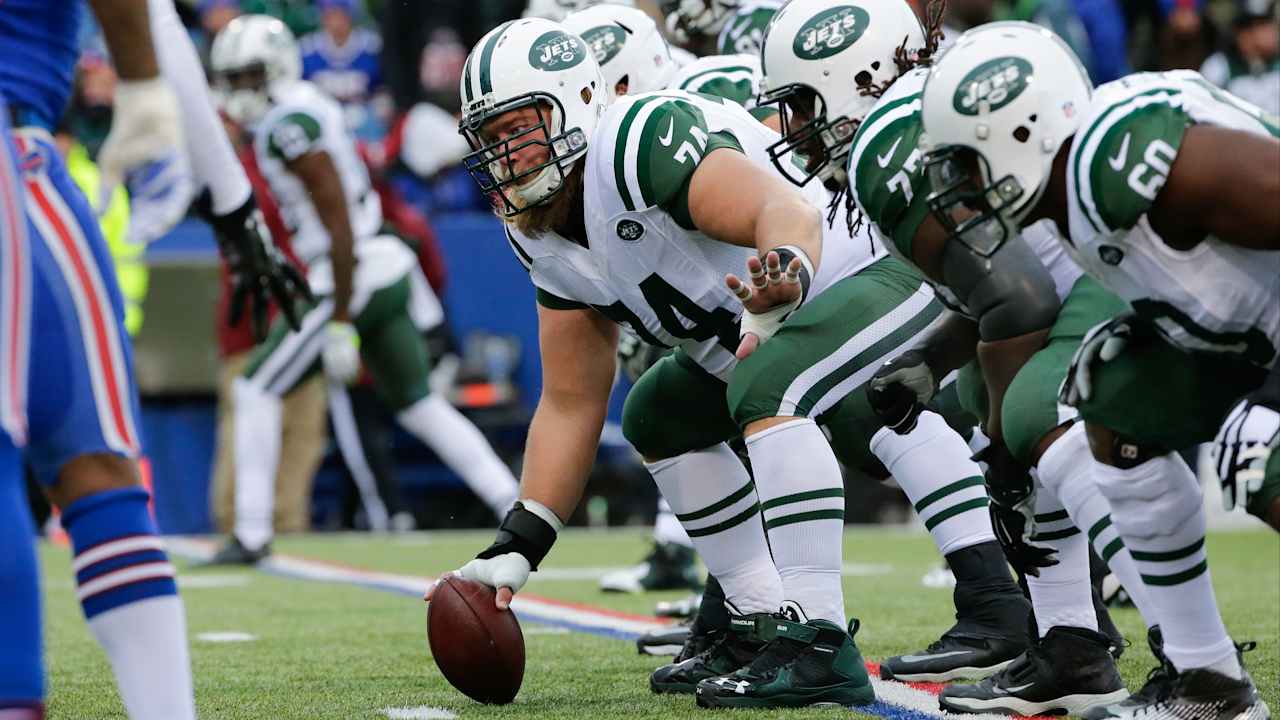
This is so heartbreaking. Nick Mangold was a legend both on and off the field. His fight with kidney disease was so public, but it’s still shocking to lose him so young. 😢 RIP, #74.
I know, right? He seemed so positive in his messages, but kidney disease is such a brutal fight. It’s a reminder to donate and support organ transplant causes.
41 is just way too young. I’ll always remember him anchoring that Jets O-line. But I can’t help but wonder if the NFL’s wear and tear played a role in his health issues.
Interesting point. But kidney disease? That seems genetic, not NFL-related. Still, it’s tragic regardless.
Mangold was one of the good guys. The fact that he openly asked for a kidney donor showed so much courage. Rest in peace, big man.
I’m devastated. Jets fans lost a legend today. He gave everything to the team and the fans. Hope the Mangold family finds peace during this time. 🕊️
Honestly, I’m just gutted. He was a warrior on the field and a class act off it. Kidney disease is a silent killer. RIP, Nick. #JetsForever
Exactly. His legacy will live on, but it’s a stark reminder to take care of our health. Kidney disease doesn’t discriminate.